
English| EUR
Suggested for you
More currencies
Choose a language
Croatia's most photographed walled city is also its most misunderstood dining market, where a plate of grilled fish on Stradun and the same fish two streets uphill rarely carry the same number. This dubrovnik prices food and drink guide explains what actually moves the figure — location, season, cruise traffic and the kitchen's supply chain — before you sit down. You will leave knowing how to read a menu board here, and when the city is calmest to use one.
Quick answer
There is no entrance fee or fixed tariff for eating in Dubrovnik: the official figure is 0 EUR, because dining prices vary by individual establishment. Venues across the city are accessible around the clock, 00:00–23:59 daily, though individual kitchens keep their own hours. The practical arrival window is 11:00–22:00, which sidesteps peak cruise-ship lunch crowds and their inflated turnover.
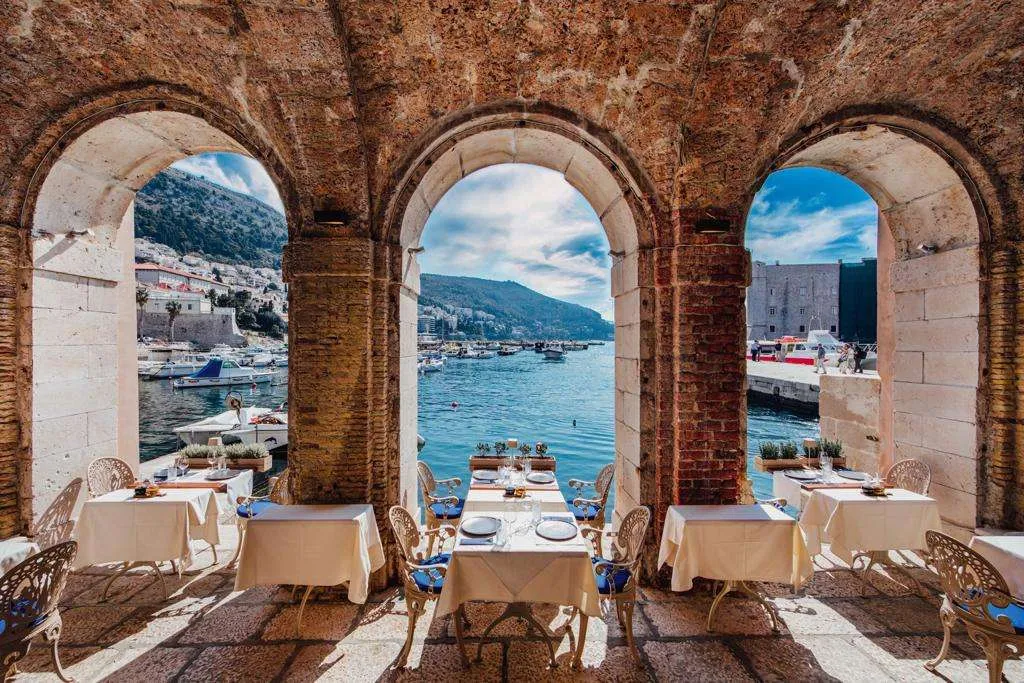
Dubrovnik has no municipal price list for a meal. Unlike the city walls or the cable car, there is no ticket counter and no published tariff — the entrance fee for the city's dining scene is 0 EUR, and every figure beyond that is set by the individual establishment. That single fact explains most of the confusion travellers carry into the Old Town, where two konobas on the same limestone lane can quote very different numbers for the same Adriatic catch. The geography does the heavy lifting. Inside the Pile Gate, rents on Stradun and the terraces overlooking the Bokar fortress are among the highest in Croatia, and menus reflect the address rather than the ingredient. Climb the stepped alleys toward the Jesuit Staircase or cross into Gruž, where the morning fish and produce market supplies half the peninsula, and the arithmetic shifts. Seasonality compounds it: the summer months carry the heaviest demand, while shoulder-season menus in Lapad and Ploče often narrow. Anyone comparing dubrovnik prices food and drink across neighbourhoods is really comparing real estate, cruise-terminal proximity and how far the produce travelled. Timing matters as much as location. Dubrovnik's rhythm is dictated by the cruise berths at Gruž, which discharge thousands of day visitors into a compact walled space for a few concentrated hours. Kitchens brace for that surge, service slows, and the calmest tables — along with the most attentive service — tend to sit outside it. The city itself is technically open around the clock, 00:00–23:59 every day of the week, but that reflects the streets, not the stoves; individual venues publish their own service windows, and many pause between lunch and dinner in the Croatian fashion. Used properly, a cijene hrane i pića guide is a filter, not a budget. It should tell a visitor which questions to ask: whether fish is priced by the kilogram before it reaches the plate, whether the couvert and bread carry a charge, whether the terrace commands a premium over the interior room. Those conventions are standard along the Dalmatian coast and rarely explained to newcomers. Read them once and the Old Town stops feeling opaque. A visitor who understands dubrovnik prices food and drink before arriving spends less time decoding menu boards and more time on the walls, in the harbour, or wherever the day was meant to go. The dedicated sections below carry the detailed figures, hours and neighbourhood recommendations.
“There is no ticket counter for a meal in Dubrovnik — every figure is set by the individual establishment.”
Dining costs in Dubrovnik vary significantly based on location and service style. Budgeting effectively allows visitors to balance quick bites with sit-down meals in the Old Town.
How to spend less
Verdict: Expect to spend between 60 EUR and 100 EUR per person daily for a mix of casual and sit-down dining experiences.
To optimize your budget and access varied dining options, plan your visit during the best arrival window of 11:00–22:00. This timeframe allows you to navigate around peak cruise ship lunch crowds while enjoying a more relaxed evening atmosphere.
Mild temperatures, 15°C to 22°C.
Lower demand often correlates with more stable pricing across local establishments.
Warm to hot, 25°C to 30°C.
Dining venues near the port experience significant price pressure during peak hours.
—
Dining options remain accessible with fewer wait times compared to weekends.
Verdict: The most effective strategy is visiting during the shoulder months of April or October, focusing your daily activities within the 11:00–22:00 arrival window.
Dining establishments in Dubrovnik generally maintain consistent daily availability to accommodate visitors throughout the week. Most venues remain open throughout the day and into the late evening hours.
Navigate local dining customs to manage your expenses effectively while enjoying authentic flavors.
Ordering carafe wine, known as vino kuće, is significantly cheaper than selecting bottled varieties by the glass.
Restaurants with menus displayed on boards outside are often more competitively priced than those requiring you to ask for a list.
Establishments located directly on the Stradun often charge a premium for their prime location compared to those tucked into side alleys.
Many local konobas offer a dnevna ponuda which provides better value and fresher ingredients than the standard printed menu.
Tap water is safe and high-quality in Dubrovnik, so ask for a glass rather than purchasing bottled water to reduce your bill.
Check your final receipt to see if a service charge is already included before adding an extra tip.
Everything you need to know about dubrovnik prices food and drink
Dubrovnik prices food and drink fluctuate depending on whether you choose establishments within the historic Old Town or in surrounding residential areas. Generally, dining in popular tourist hubs commands higher rates compared to local eateries found outside the city walls. Monitoring these costs helps visitors prepare their travel finances effectively.
High-season demand often influences the overall cost of meals and refreshments in the Adriatic region. During summer, prices can be higher due to increased visitor volume, making it wise to explore diverse culinary options. Understanding these trends ensures you can enjoy the local gastronomic scene without surprise.
To navigate dubrovnik prices food and drink, look for lunch specials or daily menus which are typically more affordable than dinner services. Avoiding establishments with prominent street-side touts often leads to better value and more authentic Mediterranean flavors. Planning your meals in advance remains a practical strategy for any traveler.
The best arrival window for visiting is 11:00–22:00, which helps you avoid peak cruise ship lunch crowds and enjoy the evening atmosphere. Arriving during this period allows for a more relaxed dining experience and better service. This timing is ideal for those looking to enjoy the city at a comfortable pace.
There is an entrance fee of 0 EUR for restaurants, as dining prices vary by individual establishment. You do not pay a cover charge just to access a table, though service charges may be included in your final bill. Always review the menu for pricing transparency before ordering.
Most establishments include taxes and service in the menu price, but some may apply a small cover charge for bread or table service. When reviewing dubrovnik prices food and drink, check the bill carefully to understand what is included. This simple habit keeps your travel expenses predictable.
While casual cafes do not require reservations, popular seafood restaurants often fill up quickly, especially during the summer. Securing a spot in advance allows you to enjoy the atmosphere without waiting. Our guided tours provide further insights into navigating the local dining landscape.
Private Dubrovnik Food Tours
Read more Tickets & toursDubrovnik Walking Food Tours
Read more GuideTypical Food in Dubrovnik
Read more GuideIs Dubrovnik Expensive for Food and Drink?
Read more Tickets & toursDubrovnik Food and Wine Tours
Read more Tickets & toursOld Town Dubrovnik Food Tours
Read more